















Unlocking Root Causes To Rewrite Business Success Stories
Kevin D. St. Clergy discusses his Blind Blaming™ Framework and RCD Method™, helping entrepreneurs uncover root causes, stop solving the wrong problems, and achieve breakthrough results in business and life.
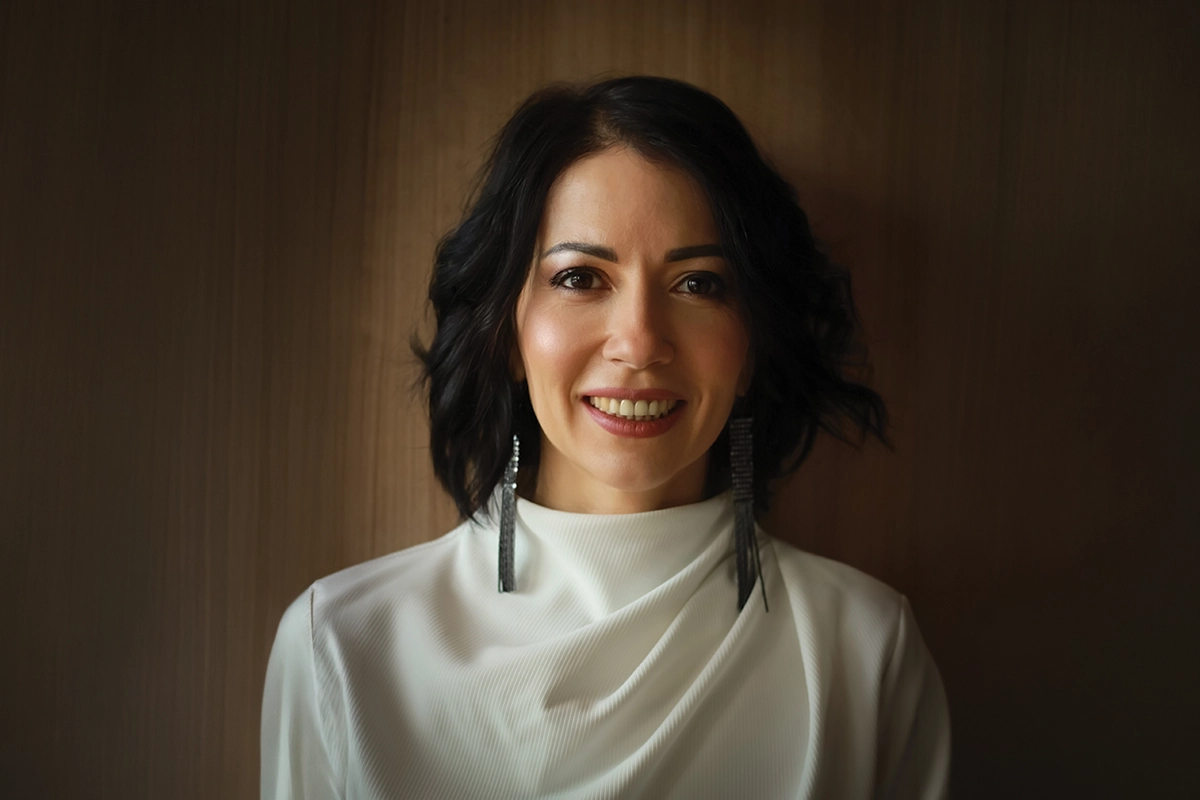
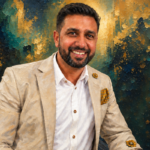
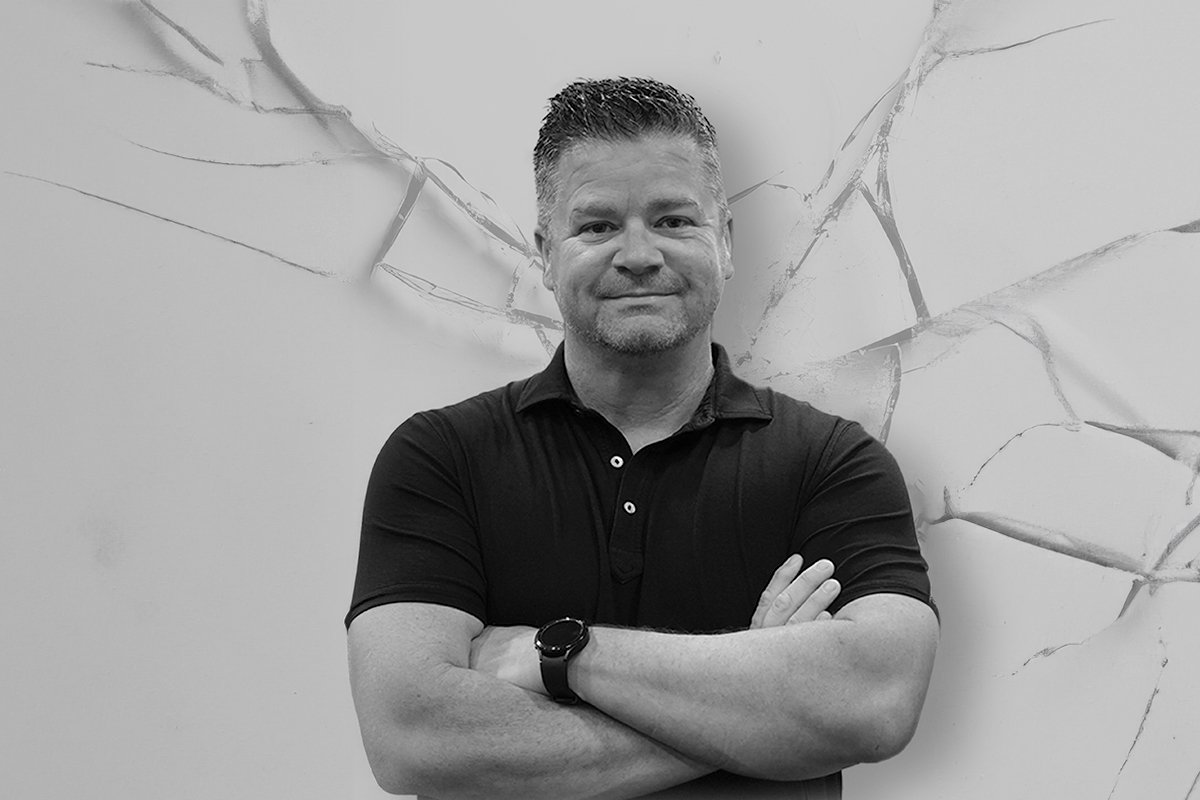
K evin D. St. Clergy embodies the very essence of transformational leadership, demonstrating that success in business and life often hinges on uncovering the unseen obstacles that hold us back. As the creator of the Blind Blaming™ Framework and the RCD Method™, Kevin has forged a revolutionary path in helping leaders and organisations unlock breakthroughs that were buried beneath years of misdiagnosed challenges and mistaken efforts. His work, spanning the realms of coaching, writing, speaking, and podcasting, has empowered countless entrepreneurs to shift their perspective, not merely to address surface symptoms but to discover the root causes that truly matter.
Kevin’s approach to leadership challenges is steeped in clarity, precision, and the rare ability to question the obvious. His book, Beyond Blind Blaming, and the Beyond Blind Blaming Podcast have become invaluable resources for those navigating complexities in business, offering an entirely new lens through which to solve problems. What sets Kevin apart is his unrelenting belief that every individual is “only one breakthrough away,” a philosophy that has inspired his mission to impact 100 million lives by helping people break free from harmful cycles of misdirected solutions.
In this interview, Kevin shares not only the personal journey that shaped his frameworks but also the compelling principles and practical steps that entrepreneurs and leaders can adopt to address blind spots, embrace clarity, and make bold decisions. His insights serve as a reminder that the business world isn’t just about strategy; it’s about understanding human behaviour, questioning assumptions, and leading with decisiveness. We couldn’t be prouder to feature Kevin D. St. Clergy in Entrepreneur Prime, as his groundbreaking work continues to reshape the way businesses approach leadership and growth. Through his vision, he reminds us that true progress comes not from speed or perfection, but from confronting what lies beneath—and decisively choosing to do something different.
Kevin D. St. Clergy’s innovative leadership frameworks are transforming lives, empowering leaders, and redefining how entrepreneurs achieve success.
Can you share your personal journey that led to the discovery of Blind Blaming™ and the RCD Method™?
When I was 10 years old, I was a great baseball player. I had a .550 batting average, which would have made Babe Ruth proud. My dad and others said I could play in high school and college, and if I worked hard, maybe even the pros.
So, we worked on my mindset, my swing, and the fundamentals. I practiced really hard during the off-season. The next season started, and I felt ready. But something was different; I started swinging and missing. I went from a .550 batting average to 0. I literally went from hero to zero.
You can guess what I heard from the stands and especially from my parents: “C’mon, kid, keep your head in the game, play to win this time.”
The next season I sat on the bench and only played in two games. After that, I quit baseball for good.
Two weeks after I quit, at a routine eye exam, we discovered the real problem. The doctor said, ‘Sorry, kid, you’re practically blind without glasses.’ But the real problem was this. But the real problem was this: at no point did the adults in my life stop blaming me for something that was out of my control. I call this Blind Blaming, and it’s at the heart of every unresolved issue facing people today in business and life.
Forty years later, after a very successful exit, I decided to do a TED Talk but didn’t know what I should talk about. As I was reviewing that with them, I said, you know, this happens in life and business all the time, what about Blind Blaming? They loved it and so did I. So, I went to work.
I started writing the book first, doing the research, then based on my coaching in the past, developed a way to break free from Blind Blaming (the RCD Method) and started testing it. Three years later, we have changed so many lives that it’s become an obsession for me.
The framework helps people find that one thing that creates real, long-lasting breakthroughs. I like to tell people that you’re only one breakthrough away…
We’re trying to help 100,000,000 million people get to the root cause of a problem they can’t seem to fix.
What are some of the most common “wrong problems” that entrepreneurs and leaders unknowingly solve, and why do such blind spots go unnoticed?
One of the most common wrong problems that entrepreneurs and leaders unknowingly solve is something I see all the time. I have several recent examples. One that comes to mind is a business owner who was really upset with her marketing agency. She was so upset that she wasn’t getting enough leads and her business wasn’t growing that she switched marketing agencies two more times during that same year. She kept blaming and complaining about the fact that she had no new leads coming in.
When I started working with her, what we discovered was very different from what she believed. I started listening to the calls that were coming in from the marketing she was doing. All three agencies were actually doing a really good job. Her team was only answering 50 percent of the calls that came in. Of the 50 percent of calls that were being answered, only 10 percent of them were being scheduled. They had no script to follow, so they didn’t know what to say.
The problem wasn’t marketing or the marketing agency. It wasn’t even the owner. The only thing the owner was guilty of was Blind Blaming. The real problem was the system and the process she had set up for her front desk. They were too busy to answer the phone because they were doing other things that were a waste of time, instead of focusing on her marketing efforts and converting those calls into appointments.
Another example I often hear is when people say, “People don’t want to work anymore.” I always say the same thing. It’s not that they don’t want to work anymore. I always say the same thing: it’s not that they don’t want to work anymore; they just don’t want to work for you.
I go back and look at their hiring practices. Have you outlined what a best-practice position looks like? Have you figured out what type of personality is going to fit the high-performance profile you want? Do you have an onboarding process? You onboard your clients to give them a great experience, but how are you onboarding your employees to show them you care and that you want them to succeed?
These are two quick examples of Blind Blaming. The only way blind spots get noticed is usually by working with someone like a coach or a mastermind group that is not stuck in your sphere of influence and not tied to your past successes or past failures. Those past experiences are often what create the blind spots in the first place.
How does the RCD Method™ (Reflect, Connect, Decide) differ from traditional problem-solving approaches?
Most root cause analysis or problem-solving models jump straight into action. They think they know what the problem is (which is usually surface-level), then start brainstorming, planning, and delegating on how to fix it.
People aren’t failing at solving their problems. People aren’t failing at solving their problems; they’re succeeding at solving the wrong problem perfectly. The RCD Method slows everything down so you can ask a far more important question: Is there something else going on that we can’t see?
- Reflect uncovers the real problem underneath their initial thoughts.
- Connect with someone or a group outside of your sphere of influence who aren’t affected by past successes or failures.
- Decide becomes powerful because it’s based on clarity, not guesswork. If you want something different, you have to decide to do something different.
The RCD Method finds the real root cause, confirms it with others outside of your team, and when you truly decide to fix it, that changes everything.
When someone comes to you feeling stuck, how do you begin the process of identifying what’s really holding them back?
I always begin by asking what they think is going on. Their first answer is almost always wrong. There is a word for that too; it’s called availability bias, where the first thing you think of is clearly the problem. I take them through a process where we look at five different areas of their life and business. The goal isn’t to find one thing in each of the five areas; it’s to find that one thing that changes everything.
The moment I show them what is really going on, people feel it and sometimes are shocked. Their body relaxes, their facial expressions change from stress to clarity, and they usually say something like, “Oh… wow…”
What is the most frequent mistake leaders make when it comes to decision-making or leading their teams effectively?
The biggest mistake is not making a decision at all. Progress over perfection is something someone told me years ago. They do more research, talk to more people, form a committee, and it delays momentum and confuses their team. The job of a leader is not perfection; it’s the confidence to be decisive.
How can entrepreneurs train themselves to move past recurring cycles of addressing symptoms instead of root causes?
Three things:
- Question your first conclusion.
If your brain immediately says, “Yes, that is the problem.” If your brain immediately says, “Yes, that is the problem,” use what I call the Power Pause and ask, is there something else going on that I can’t see?
- Build evidence before emotion.
Ask yourself, “What do I know versus what do I feel?”
There’s what feels good, and there’s math. Make sure you have the right information. Be aware of cognitive biases that cause you to ignore important data because you think something else is going on.
- MFD – Make a f’ing Decision
Once you’ve done the research, shared it with an outside source, MFD and do something different.
What inspired you to launch your podcast? How has hosting it influenced your work and perspective?
I launched the Beyond Blind Blaming Podcast because I wanted a platform the could reach large numbers of people to make them more aware of Blind Blaming and to hear stories of others who discovered it and how they overcame it.
The theme of the show is simple: You’re solving the wrong problem, and it’s costing you everything. Hosting the podcast has made me even more convinced that breakthroughs can happen once you’re aware of Blind Blaming and use the RCD Method to have real breakthroughs.
With industries and technology evolving quickly, what challenges or blind spots do you anticipate entrepreneurs will need to address in the near future?
The biggest blind spot will be losing sight of what customers really want. AI is changing everything and it’s caused everyone to start looking for short cuts, AI agents, the billion dollar company run by one person etc.
There will always be a need for human connection from a real person. Those who continue to do this will thrive. Those who do will sit around and wonder what happened.
What motivates you to continue helping leaders and entrepreneurs? Do you have a personal philosophy or guiding principle that keeps you focused on your mission?
My guiding principle is simple: People are only one breakthrough away from a completely different life and/or business. Our mission of helping 100,000,000 people get to the root cause of a problem that can’t seem to fix, will create a ripple effect across their life and eventually society as a whole. That is what drives me every single day.