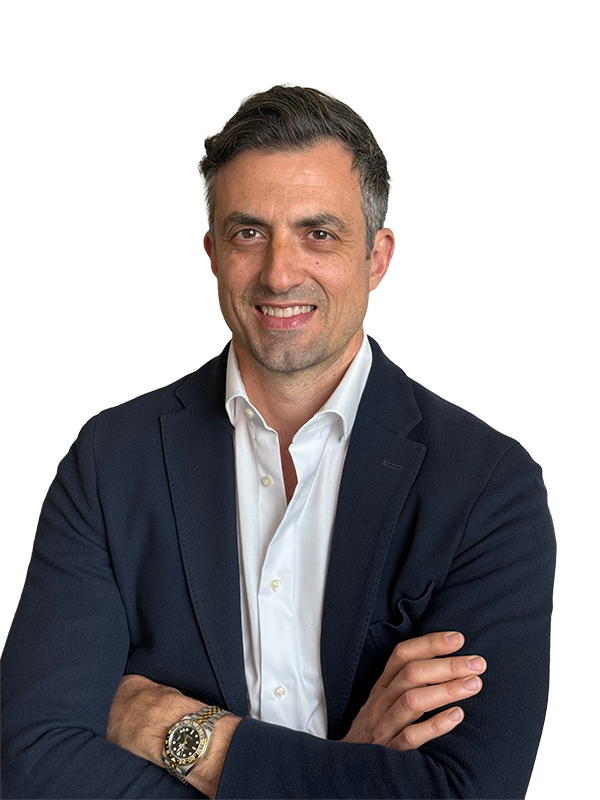




















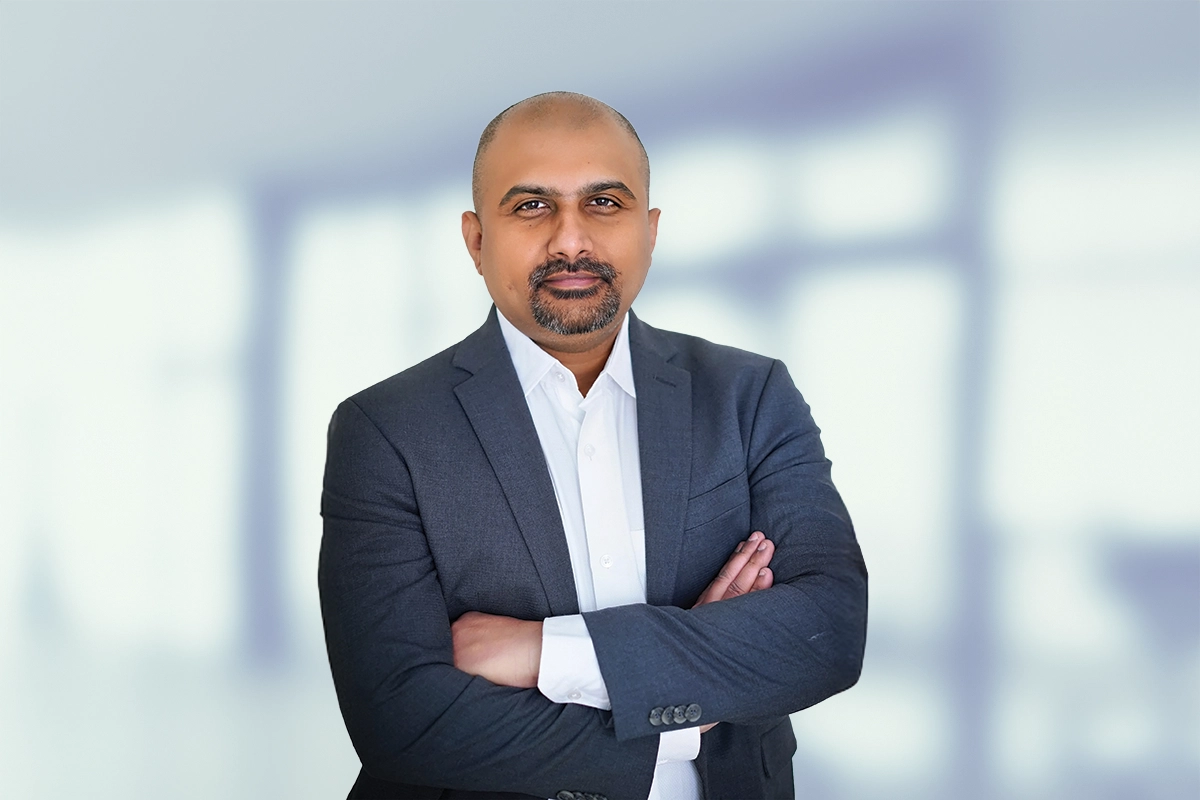
Photo: Dr. Mohana Rao Patibandla, Founder of Dr. Rao’s Hospital, pioneering neurosurgical innovation and ethical healthcare.
Transforming Healthcare With Innovation, Ethics, And Global Standards
Dr. Rao shares his journey of blending advanced neurosurgery with ethical entrepreneurship, offering minimally invasive, patient-centric care, and positioning India as a global leader in affordable, world-class healthcare.
D r. Mohana Rao Patibandla stands as a beacon of entrepreneurial vision and medical excellence, seamlessly blending innovation, leadership, and compassion in the field of neurosurgery. As the Founder, Chairman, and Managing Director of Dr. Rao’s Hospital in Guntur, India, he has redefined advanced neurology, neurosurgery, and spine care, bringing world-class treatments to tier-2 cities and beyond.
We had the privilege of conducting an exclusive interview with Dr. Rao, where he shared insights into his pioneering work, the transformative role of cutting-edge technologies, and his vision for accessible, ethical, and patient-centric healthcare. His expertise, honed through international training across all neurosurgical subspecialties, has driven the hospital’s reputation as a global leader in minimally invasive techniques. Innovations like 4K endoscopy, Stealth 8 Neuronavigation, and BrainPath enable safer, precise, and less invasive procedures, significantly improving patient outcomes and recovery experiences.
Dr. Rao’s entrepreneurial acumen shines in his strategic approach to medical tourism. By focusing on global-standard infrastructure, transparent communication, and ethical pricing, Dr. Rao’s Hospital has become a trusted destination for international patients. His emphasis on personalized care, multidisciplinary decision-making, and culturally sensitive practices underscores his unwavering commitment to excellence and patient well-being.
Through this interview, Dr. Rao highlights India’s growing role in the global healthcare landscape, offering advanced, affordable, and outcomes-driven care. For patients in the UK and Europe, Dr. Rao’s Hospital represents a trusted and ethical option, grounded in honesty, precision, and innovation.
Rao’s visionary leadership and commitment to excellence redefine neurosurgery, merging innovation, ethics, and compassion to transform global healthcare accessibility.
Dr. Mohana Rao Patibandla’s journey is a powerful testament to how entrepreneurial vision, paired with medical expertise, can transform lives and redefine healthcare on a global scale. This interview offers invaluable insights into the mind of a leader who is shaping the future of neurosurgery and beyond.
Dr. Rao, how have cutting-edge technologies such as 4K endoscopy, Stealth 8 Neuronavigation, and BrainPath transformed neurosurgical care at your hospital?
Technology has fundamentally reshaped how we approach neurosurgery. At Dr. Rao’s Hospital, tools like 4K endoscopy allow us to visualize critical neural structures with extraordinary clarity, enabling safer and more precise tumor resections through smaller corridors. Stealth 8 neuronavigation has improved surgical accuracy, especially in deep-seated or eloquent-area lesions, by allowing real-time anatomical guidance. BrainPath parafascicular access has been a major leap forward, helping us reach deep intraparenchymal and intraventricular tumors while preserving surrounding brain tissue. Collectively, these technologies have reduced operative morbidity, shortened hospital stays, and significantly improved functional outcomes.
“Our mission is to make world-class neurosurgical care accessible to everyone.” Dr. Rao
What steps has Dr. Rao’s Hospital taken to become a leader in global medical tourism for neurosurgery?
We approached medical tourism not as a marketing exercise, but as a systems challenge. This meant building global-standard infrastructure, ensuring transparent communication, offering predictable outcomes, and maintaining ethical pricing. We established international patient coordination teams, multilingual support, teleconsultation pathways, and post-treatment follow-up systems across borders. Equally important was investing in technology, safety protocols like intraoperative neuromonitoring, and ICU-level neurocritical care. Today, patients come to us not only because care is affordable, but because outcomes, safety, and surgeon accountability meet international expectations.
What are the key advantages of minimally invasive neurosurgical techniques, and how have they impacted your patients’ recovery and overall experience?
Minimally invasive neurosurgery fundamentally shifts the patient experience. Smaller incisions, reduced brain retraction, and targeted access translate into less pain, reduced blood loss, lower infection risk, and faster neurological recovery. Many of our patients resume mobility within days and return to normal life much sooner than with traditional open approaches. Beyond physical recovery, there is a psychological benefit—patients feel less traumatized by surgery. For us as surgeons, these techniques demand greater precision and planning, but the payoff in patient outcomes is extraordinary.
Could you describe the journey that led to the founding of Dr. Rao’s Hospital and your vision for advanced neurosurgical care?
My journey spans over two decades across India and the United States, training in nearly every subspecialty of neuroscience. What became clear to me was that patients in India often had to compromise—either on technology, access, or personalized care. I founded Dr. Rao’s Hospital to eliminate that compromise. My vision was to create an independent, focused neurosciences center where advanced technology, ethical practice, and surgeon-led decision-making coexist. The goal was never volume, but excellence, safety, and outcomes.
In your view, what makes Dr. Rao’s Hospital stand out in delivering personalized patient care? Can you share a particularly inspiring patient success story?
Personalized care begins with time—time spent listening, explaining, and planning. Every patient at our hospital receives a treatment plan tailored not just to the diagnosis, but to their functional needs, family situation, and long-term quality of life. One case that stands out is a young international patient with a deep-seated brain tumor who had been deemed inoperable elsewhere. Using minimally invasive parafascicular techniques and neuromonitoring, we achieved near-total removal with preserved neurological function. Seeing that patient walk independently post-surgery reaffirmed why personalization matters.
Pediatric neurosurgery often involves unique challenges. How does Dr. Rao’s Hospital specialize in treating young patients with complex neurological conditions?
Children are not small adults—their brains are developing, and surgical decisions have lifelong implications. Our pediatric neurosurgery approach emphasizes precision, minimal invasiveness, and neurodevelopmental preservation. We manage conditions such as hydrocephalus, congenital malformations, pediatric tumors, and epilepsy using child-specific protocols, anesthesia expertise, and neuromonitoring. Equally important is family counseling. Parents are partners in care, and we ensure they understand every step of the journey.
How has your international education and training across all subspecialties of neuroscience influenced the clinical practices and innovation at your hospital?
Training across diverse healthcare systems exposed me to different philosophies—precision in the West, adaptability in India, and innovation under constraint. This global exposure shaped our hybrid model: adopting world-class protocols while tailoring them to local realities. It influenced our emphasis on multidisciplinary decision-making, surgical safety, continuous audit of outcomes, and research-driven practice. Many techniques we routinely perform Today were refined through international experience but optimized for Indian patients.
How does Dr. Rao’s Hospital ensure culturally sensitive and ethically sound care for patients traveling from diverse international backgrounds?
Cultural sensitivity begins with respect. We ensure clear communication, informed consent, and transparency in outcomes and costs. Our international patients receive language support, dietary accommodations, and culturally appropriate counseling. Ethically, we never recommend surgery unless it is truly necessary. Trust is central—especially when patients travel thousands of miles seeking care. Our reputation has grown largely through word of mouth, which is the strongest ethical endorsement.
Dr. Rao, your hospital has become a renowned destination for international patients seeking advanced neurosurgical care. How do you see India, and particularly Dr. Rao’s Hospital, contributing to the global healthcare landscape?
India is uniquely positioned to address the global demand for high-quality yet affordable healthcare. We combine clinical volume, technical expertise, and cost-efficiency in ways few countries can. Dr. Rao’s Hospital represents a focused model—specialized, technology-driven, and surgeon-led. As global healthcare systems face rising costs and long waiting times, India will increasingly serve as a partner rather than an alternative, and specialized centers like ours will lead that transition.
With this interview being featured in a UK-based magazine, what would you like potential patients in the UK and Europe to know about the expertise and facilities at Dr. Rao’s Hospital?
I would like patients in the UK and Europe to know that Dr. Rao’s Hospital offers globally comparable neurosurgical care—advanced technology, internationally trained expertise, and outcomes-driven practice—without long waiting times. Our focus is on safety, minimally invasive solutions, and functional recovery. We do not promise miracles; we promise honesty, precision, and commitment. For patients seeking timely, high-quality neurosurgical care, we offer a trusted and ethical option.