



















Pioneering Business Growth Through Innovation
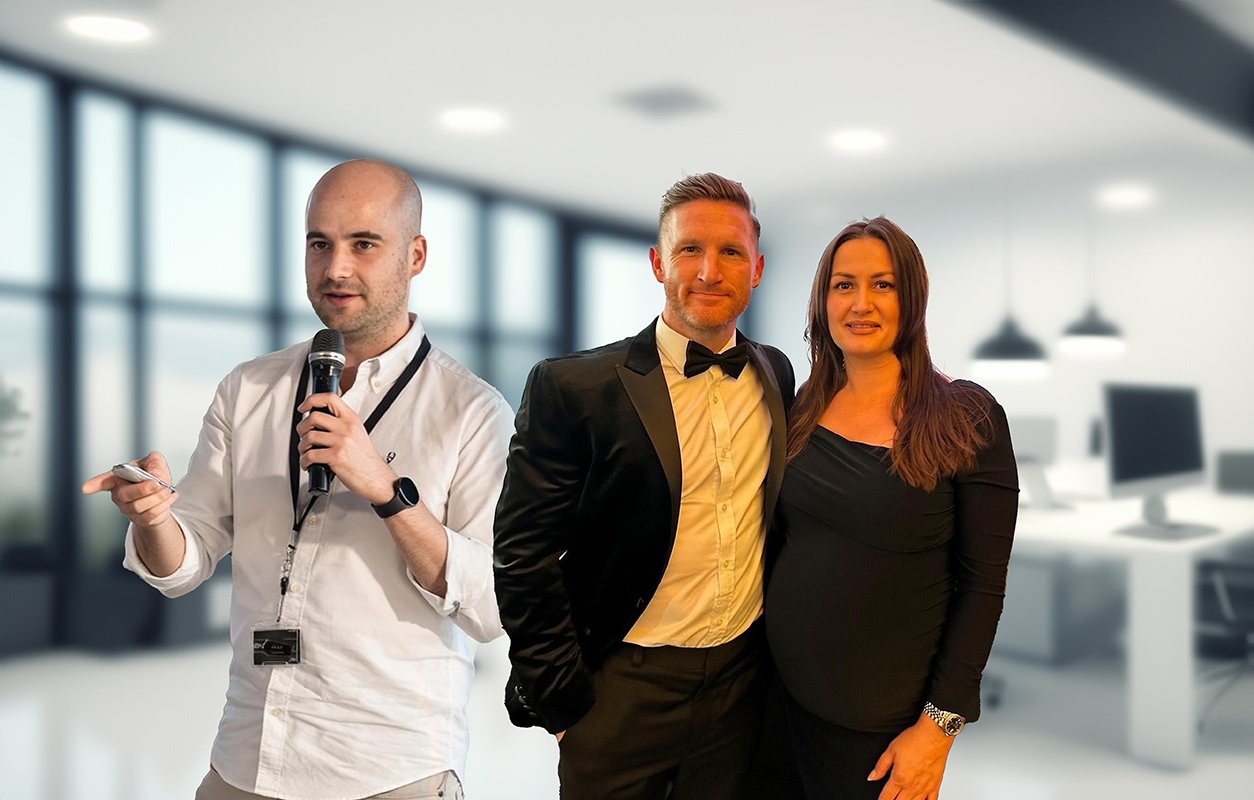
A powerful discussion with Toby White and Lee Tuck, exploring their success in entrepreneurship, mergers, acquisitions, system automation, physical discipline, and the pursuit of creating transformative business legacies.
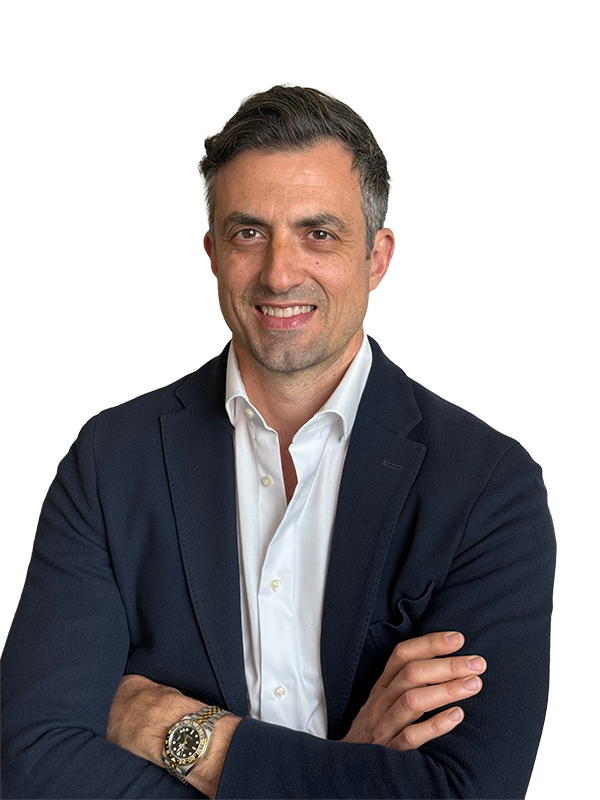
E ntrepreneurship is the lifeblood of innovation and progress, and few embody this spirit quite like Toby White and Lee Tuck. Here, we bring together two dynamic minds whose journeys, though distinct, converge on a shared ethos of ambition, resilience, and a commitment to excellence. Toby White, an acclaimed investor and entrepreneur, has redefined what it means to scale businesses with precision and purpose, while Lee Tuck’s transformation from professional footballer to elite fitness athlete and successful business leader exemplifies adaptability and boundless drive.
Across industries, these trailblazers have demonstrated that success is a perfect blend of discipline, strategic thinking, and an openness to evolve. Toby’s mastery in optimising business efficiency through automation and systems has been game-changing for scaling enterprises, while Lee’s focus on leadership, physical resilience, and high standards speaks volumes about the unwavering dedication required to achieve excellence in any field. Together, they represent a powerful vision of modern leadership: a relentless pursuit of betterment, both personally and professionally.
Toby White and Lee Tuck epitomise vision, resilience, and leadership, revolutionising industries with innovation, discipline, and strategic excellence.
As they continue to grow and revolutionise industries through mergers, acquisitions, and unparalleled innovation, their insights will undoubtedly inspire a new wave of entrepreneurs to aim higher, streamline smarter, and stay committed to building businesses that leave a legacy, not just in balance sheets but in shaping the future of their industries.
Both of you have achieved remarkable success in your respective fields—how did your early experiences shape the approach you take in business today?
We both came from very little, and that created a fire to constantly grow, learn, and improve. We’ve taken setbacks, learnt fast, and kept moving forward. Those early experiences set the standard for how we operate today—fully committed, disciplined, and always evolving as entrepreneurs.
Toby, you built and scaled your first property business to six figures in its first year. What specific strategies helped you achieve this so quickly?
Online lead generation and digital marketing played a huge influence in the first year of scale. Adding systems and automation also improved the operational function of the business – ultimately increasing margin and reducing time input. Finally, increasing the client LTV (lifetime value) and AOV (average order value) meant that I could serve the same number of customers at a greater level of leverage.
Lee, transitioning from a professional football career to property investment and consulting is quite unique. What skills from football have been most transferable to your business ventures?
Great question.
In football, I learnt very early that talent alone isn’t enough. The best players in the world combine skill with an elite mentality. Business is exactly the same. Discipline, resilience, consistency, and high standards—those traits have been the most transferable and have shaped my approach to every venture I take on.
You both focus heavily on system automation and process efficiency. Why do you think these areas are so critical for modern businesses?
If you want to eventually exit at a higher multiple, you need robust systems, automation, and a lean operating structure. But systems don’t replace people—they empower the right people to run the business effectively. It’s the combination of both that drives scalability.
As you work on high-value mergers and acquisitions, what trends have you identified in the SME market that most business owners might not be aware of?
Most SME owners are not prepared for an exit when they decide they want to sell. Many don’t know what buyers look for, what systems they need in place, or what affects their valuation. There are far more businesses for sale than there are buyers, and a large percentage never sell. Most owners only discover this when they go to market unprepared.
How do you manage to balance the demands of building multiple businesses with the focus and energy required for growth?
We grow through acquisitions, which is a growth model in itself. Once acquired, our main focus is building and integrating a strong operating system. When that’s in place, we can scale the business internally or continue acquiring more companies in the same sector and integrate them into the same system.
Lee, your remarkable fitness accomplishments, such as the 100km weighted vest run, are inspiring. How do you think maintaining physical discipline contributes to success in business?
Physical discipline keeps my mind and body sharp. I enjoy challenges that push me mentally and physically—it builds resilience. That resilience translates directly into decision-making, leadership, and how I show up in business every day.
Toby, after stepping back from daily operations in multiple businesses, what lessons have you learned about delegating effectively and scaling sustainably?
Systems and people are key. Broken system is break great people, great systems build great teams. Moving from owner-operator to the first hire is a big move and huge mental shift, but once done you unlock leverage. People often think what they do can’t be done by someone else, with systems they can be.
What challenges do you think businesses are most likely to face as they transition to implementing AI and automation, and how can they navigate these obstacles effectively?
A major shift is coming across every industry. The biggest challenge for business owners will be failing to adapt fast enough. Every business should now be researching, testing, and implementing AI. Those who delay will be at a serious disadvantage. The key is starting small, building internal awareness, and integrating AI into processes one system at a time.
Looking ahead, what are your shared aspirations and goals for the ventures you’re working on, and what legacy would you both like to leave in the business world?
Our goal is to grow in the vehicle hire and vehicle maintenance sector by acquiring strong independent businesses that are limited by weak systems. We’ll improve the industry standard, build a lean operating model across all acquisitions, and scale toward a £180M exit. Our legacy will be proving that disciplined systems, strong culture, and modern automation can transform traditional industries.