











Photo:Raja Ali, Group Chief Executive of The IBD Partnership Group, whose work connects international education, cultural exchange and opportunities for young people.
Opportunity Beyond Borders
Raja Ali discusses building an international education business, widening access to overseas opportunities, navigating Brexit and preparing young people for changing careers through cultural exchange, resilience and trusted global partnerships.
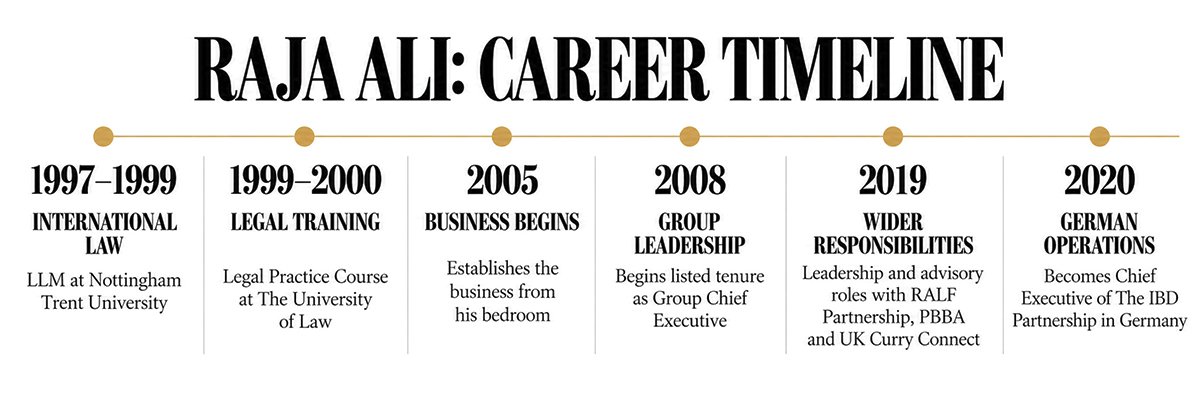
E ntrepreneurship finds its greatest purpose when ambition creates opportunities for others. For Raja Ali, that conviction sits at the heart of a business built around education, cultural understanding and the belief that a young person’s background should never define the limits of their future. As Group Chief Executive of The IBD Partnership Group, he brings commercial drive to a deeply human mission: helping people discover what becomes possible when they venture beyond familiar borders.
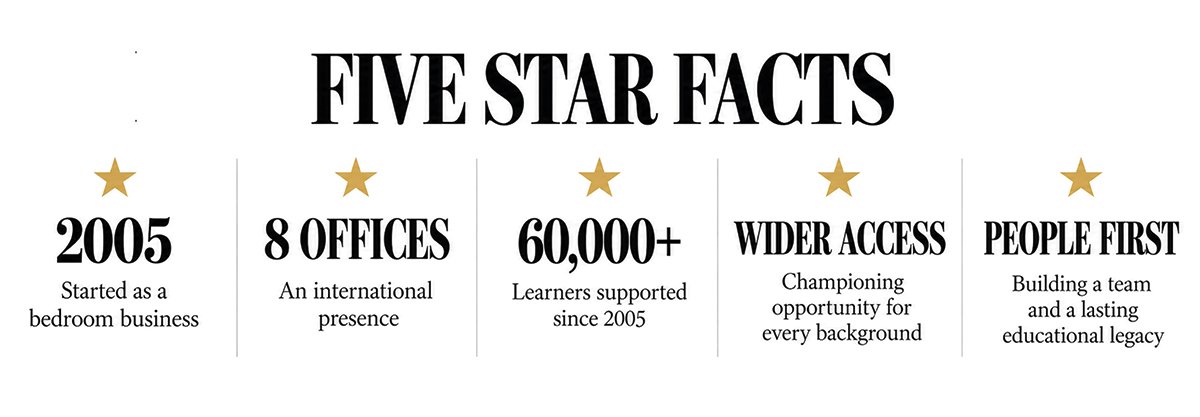
From a small business operating out of his bedroom, Ali describes building an international organisation with eight offices and supporting more than 60,000 learners since 2005. Yet the most revealing moments in our conversation concern the people behind that growth: young learners gaining confidence, friendships formed across cultures, and even a wedding between two participants who first met through a programme in Portsmouth. These stories give his work a significance that figures alone cannot convey.
His leadership also carries the hard-earned perspective of an entrepreneur who has navigated considerable uncertainty. Reflecting on the disruption Brexit brought to the organisation’s UK operations, Ali speaks candidly about the need to adapt, develop new partnerships and persevere. His pride rests firmly with his team—a telling reflection of a leader who understands that lasting achievement depends on the people who make it possible.
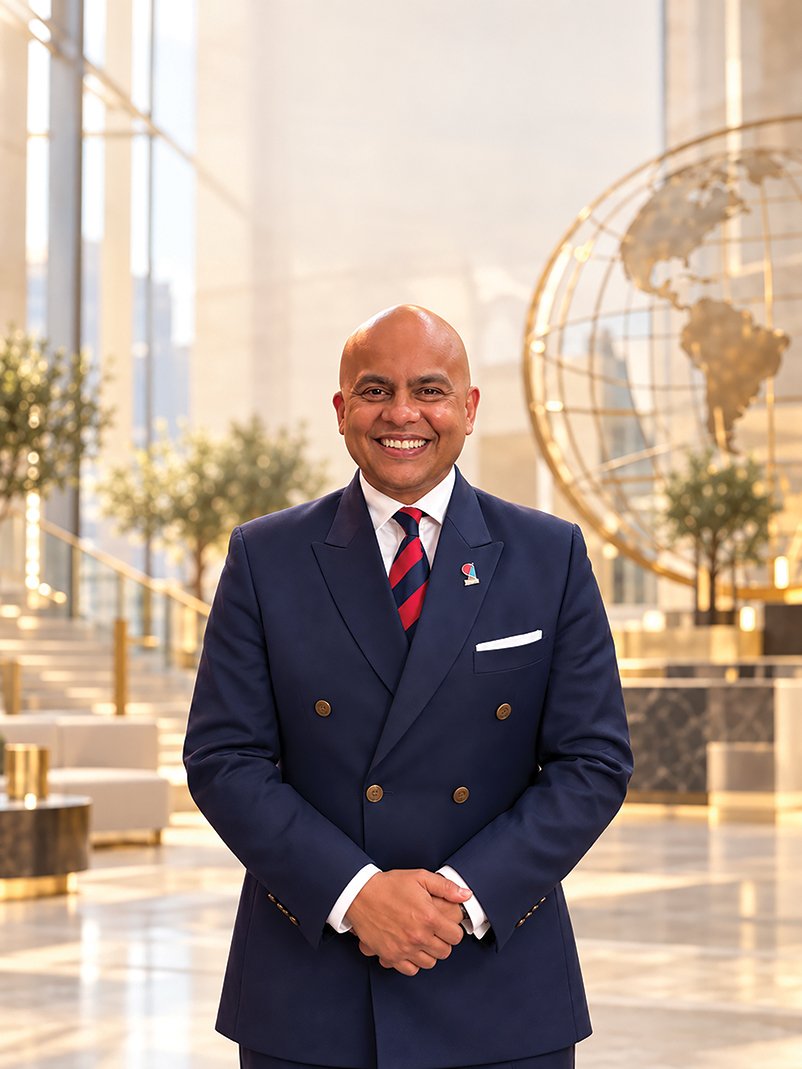
Raja Ali, Group Chief Executive of The IBD Partnership Group, champions education that connects people across borders.
What makes Ali’s approach compelling is the connection between his business judgement and his social purpose. Listening, respecting cultural differences and earning trust are central to how he builds international relationships. His commitment to widening access to education gives those relationships a clear direction, while his emphasis on adaptability and practical experience keeps the needs of future generations in view.
Raja Ali combines entrepreneurial resolve with social purpose, championing educational opportunity, cultural understanding and partnerships that help young people flourish.
For Entrepreneur Prime, his story offers a powerful example of enterprise with purpose. In the conversation that follows, Raja Ali shares the convictions, challenges and ambitions behind an organisation dedicated to opening doors—and explains why the most valuable legacy a business leader can leave may be the opportunities others are able to pursue.
Highlights
- Growing a bedroom business into an international organisation with eight offices.
- Supporting more than 60,000 learners since 2005, according to Ali.
- Putting cultural understanding and inclusion at the centre of international education.
- Adapting to Brexit by developing partnerships and expanding into other European markets.
- Building international relationships through trust, listening and cultural awareness.
- Advocating funding and practical support for disadvantaged learners.
- Preparing young people for changing careers through adaptability, communication and real-world experience.
- Measuring achievement through his team and the opportunities created for others.
Your professional journey has led you to the forefront of international education and global partnerships. What first inspired you to enter this field, and which experiences have most profoundly shaped your leadership philosophy?
My inspiration to enter international education came from a simple belief: if we want to change the world, we must start with our young people. I believe no child is born with hatred, prejudice or racism; these attitudes are learned from society. Through education and cultural exchange, we can help young people understand, respect and celebrate their differences rather than fear them.
Since establishing The IBD Partnership Group in 2005, we have supported more than 60,000 learners, creating opportunities for young people to experience different cultures, challenge stereotypes and build lasting friendships across borders. These experiences have shaped my leadership philosophy. I believe leadership is not just about building a successful organisation; it is about making a meaningful difference to people’s lives. For me, success means breaking down barriers, creating opportunities and inspiring positive change. International education is about much more than learning. It is about building bridges between communities and empowering the next generation to create a more inclusive, peaceful and compassionate world.
The IBD Partnership Group has spent more than two decades creating opportunities for international education and professional development. What was the original vision behind the organisation, and how has that vision evolved under your leadership?
The original vision behind The IBD Partnership Group was to use education to bring people, cultures and countries closer together, creating opportunities for young people to learn, grow and succeed. What started as a small business operating from my bedroom has grown into an international organisation with eight offices globally. Since 2005, we have supported more than 60,000 learners and built partnerships across borders. Although we have grown significantly, our core vision remains the same: to break down barriers, celebrate diversity and create opportunities that transform lives. For me, success is not just about business growth; it is about the positive difference we make to people and communities worldwide.
Having supported more than 50,000 participants through international education and mobility initiatives, what personal stories or transformations have stayed with you, and what do they reveal about the true value of learning beyond national borders?
Watching young people form friendships across cultures reinforces my belief that understanding begins when we have the opportunity to learn from one another. For me, the true value of international education goes far beyond academic qualifications or professional skills. It is about breaking down barriers, changing mindsets and building a generation that values diversity rather than fears it. Ultimately, this is why I do what I do. I want to help create a world where our young people grow up with understanding instead of prejudice, and respect instead of division. If we can achieve that, we will leave behind a better world for future generations. I was invited to a wedding not long ago where 2 learners met each other on our programme in Portsmouth!
Programmes such as Erasmus+, the Turing Scheme and Taith have opened doors for students, educators and professionals. How do these initiatives differ in their opportunities and challenges, and what should institutions consider when choosing the most suitable pathway?
Each of these programmes offers valuable opportunities, but the right choice depends on an institution’s ambitions and the needs of its learners. The key message I would emphasise is that Erasmus+ (EU programme), the Turing Scheme (UK government programme – this is the last year, being replaced by ERASMUS) and Taith (Welsh government programme) all create valuable international opportunities, but each has its own priorities, funding arrangements and challenges. The most suitable pathway depends on an institution’s objectives, the learners it wants to support and the international partnerships it wishes to develop.
With the United Kingdom preparing to rejoin Erasmus+ in January 2027, how do you anticipate this development will reshape educational mobility, international collaboration and opportunities for British institutions?
I see the UK’s return to Erasmus+ as a significant opportunity to strengthen international education, rebuild partnerships and open new doors for British students, educators and institutions. It is an opportunity not simply to return to an established programme, but to create a new chapter in international collaboration. Brand Britain is back on the international stage after a 6 year absence.
Your organisation works with governments, multinational corporations and educational institutions across numerous countries. What have been the greatest challenges in building and sustaining these international partnerships, and what lessons have you learned about leadership across different cultures?
One of the greatest challenges in building international partnerships is understanding that every country has its own culture, business practices, expectations and ways of building relationships. What works in one country may not necessarily work in another. Through my work with governments, multinational corporations and educational institutions, I have learned that building trust takes time, patience and consistency. Successful partnerships are not built simply on contracts or commercial opportunities; they are built on mutual respect, shared values and a genuine commitment to achieving common goals. Another important lesson has been the need to adapt. As an international organisation, we must understand local circumstances while remaining true to our core values. Communication, cultural awareness and the ability to listen are essential to overcoming misunderstandings and finding common ground.
My leadership philosophy is that you should never assume you know everything. Some of the most valuable lessons I have learned have come from listening to people whose experiences and perspectives are very different from my own. Ultimately, I believe successful international leadership is about building bridges, not barriers. When people feel respected, valued and trusted, partnerships become stronger and more sustainable. For me, the greatest measure of success is not simply how many countries we operate in, but the lasting relationships we build and the positive impact we create together.
Access to international education can often depend on financial circumstances, geography and institutional resources. How does The IBD Partnership Group address these inequalities, and what more should policymakers and educational leaders do to ensure opportunities reach disadvantaged communities?
At The IBD Partnership Group, we believe international education should be an opportunity for everyone, not a privilege for the few. Through our work with schools and educational institutions, we help create accessible international experiences that broaden horizons, build confidence and develop essential life skills. Policymakers and educational leaders must prioritise funding for disadvantaged learners, simplify application processes and ensure that opportunities reach communities that might otherwise be excluded. We must also recognise that equality is not simply about offering everyone the same opportunity, but providing the support they need to access it. Ultimately, a young person’s financial circumstances or background should never determine their potential. Investing in inclusive international education is an investment in a fairer, more understanding and prosperous society.
As artificial intelligence, digital learning and changing employment demands reshape education worldwide, how do you envision the future of international training and work placements? Which skills will become most valuable to the next generation?
I believe the future of international education will combine technology with real-world experience. Artificial intelligence and digital learning will transform how we teach and learn, but international work placements will remain essential for developing practical skills, cultural awareness and adaptability. The next generation will need more than technical knowledge. Communication, critical thinking, problem-solving, emotional intelligence and the ability to work across cultures will be equally important. At The IBD Partnership Group, we believe education must evolve alongside the workplace, ensuring young people are equipped not just for today’s jobs, but for careers that may not yet exist. Ultimately, our priority must be to develop adaptable, confident and globally minded individuals who can thrive in a rapidly changing world.
Looking back over your career, what has been your proudest achievement, and was there a particular challenge, setback or defining decision that fundamentally changed the way you approach business and leadership?
My proudest achievement is building a phenomenal team and creating a legacy that will continue to make a difference to future generations. Brexit was one of the biggest challenges of my career. Almost overnight, we went from being a large multinational company delivering European projects to facing exclusion from many EU-funded opportunities. The past six years have been incredibly difficult for our UK operations, but we refused to give up. Instead, we pivoted towards other European markets, built new partnerships and found new ways to grow. This experience taught me that resilience is everything. Leadership is not about avoiding setbacks; it is about how you respond to them. I am proudest of our people, our perseverance and the fact that, despite the challenges, we continue to create opportunities and change lives through education.
Looking towards the next decade, what is your ambition for The IBD Partnership Group, and what lasting legacy would you like to leave in international education? What advice would you offer young people who aspire to build successful careers in an increasingly interconnected world?
Over the next decade, my ambition is to grow The IBD Partnership Group’s global reach, create more opportunities for young people and strengthen international partnerships. My greatest wish is to leave a legacy where education breaks down barriers, celebrates diversity and brings people closer together. My advice to young people is simple: be curious, embrace different cultures, never stop learning and do not be afraid to take risks. Build relationships, remain resilient when faced with setbacks and remember that success is not just about what you achieve, but the difference you make to others.
The world is full of opportunities for those willing to learn, adapt and think globally. Your background should never limit your ambitions.