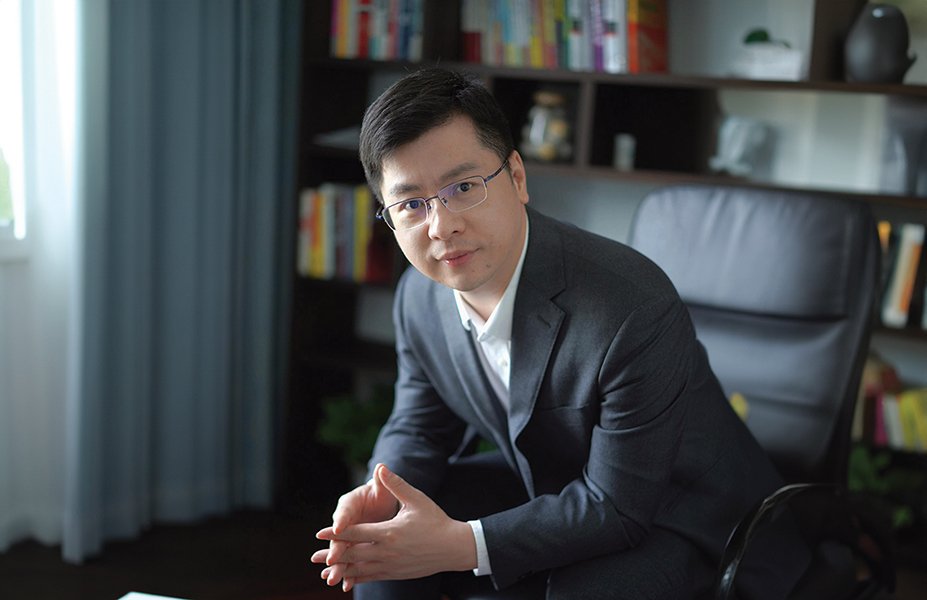






















Photo: Rowena Romulo and Chris Joseph, founders of Kasa and Kin, are redefining Filipino fine dining in Soho with bold flavours, family traditions and entrepreneurial vision.
How Rowena Romulo And Chris Joseph Turned Filipino Cuisine Into Soho’s Hottest Dining Experience
Rowena Romulo and Chris Joseph transformed Kasa and Kin into Soho’s celebrated Filipino dining destination, blending heritage, hospitality, premium British produce, and entrepreneurial vision to redefine Filipino cuisine in Britain.
L ondon’s dining scene thrives on reinvention, yet few restaurateurs manage to create something that feels both deeply personal and culturally transformative. Rowena Romulo and Chris Joseph have achieved precisely that with Kasa and Kin — a restaurant that has become far more than a culinary destination in Soho. It is a heartfelt celebration of Filipino heritage, hospitality, and the enduring power of food to bring people together.
Drawing upon decades of international business leadership, hospitality expertise, and entrepreneurial vision, Rowena and Chris have built a concept that balances authenticity with contemporary sophistication. Their journey is one of remarkable determination: from pioneering Filipino cuisine in a market that once overlooked it, to helping propel it into the mainstream of Britain’s dynamic food culture. Through Kasa and Kin, they have introduced Londoners not only to the bold, vibrant flavours of the Philippines, but also to the warmth, generosity, and communal spirit that define Filipino family life.
What makes their achievement particularly compelling is the clarity of purpose behind it. Every detail — from the live-fire grills and celebratory atmosphere to treasured family recipes passed through generations — reflects a genuine desire to create connection. Their philosophy, “arrive as a guest, leave as family”, is not merely branding; it is embedded in the experience itself.
At a time when diners increasingly seek authenticity and meaningful experiences, Kasa and Kin stands as a shining example of how cultural storytelling, entrepreneurial courage, and exceptional hospitality can redefine perceptions and build lasting influence. Rowena Romulo and Chris Joseph are not simply restaurateurs; they are ambassadors for Filipino cuisine and modern hospitality innovators who are helping shape the future of London’s culinary landscape.
In this exclusive conversation, they reflect on the inspiration behind Kasa and Kin, the challenges of championing Filipino cuisine in the UK, and their ambitious vision for the future.
Kasa and Kin means “home” and “family”. How did those ideas shape the identity and atmosphere of the restaurant from the outset?
We didn’t want a stuffy, formal space. When you walk in, it should feel like you’ve just stepped into a lively Filipino household. Kasa is home, Kin is family, and that dictates everything from how the team greets you to the fact that the food is designed to be shared.
Our philosophy from the very start has been: arrive as a guest, leave as family. For me, it’s all about the massive Sunday dinners with my six siblings where being late wasn’t an option. One thing I’ve learned over the years is that food simply tastes so much better when you’re eating it with others rather than alone. It’s vibrant, loud, and warm—sitting down to dinner reminds me of those times.
Which family recipes or childhood food memories inspired the dishes on your menu?
Rowena’s upbringing was centred around the table, but with a bit of a historic backdrop. Her grandfather was Carlos P. Romulo—who was actually a President of the UN General Assembly and a National Artist for Literature, having written 22 books in his lifetime. He built a family compound with separate homes for his four sons and their families, but there was only one shared, communal dining room. The entire clan ate together every single day, and the rule was simple: miss that, and you miss your dinner!
That deep respect for the table is why our Kare-Kare is the exact recipe passed down from Rowena’s Tito Greg. We haven’t messed with the soul of the dish, but we’ve adapted it for London by using premium British cuts like oxtail, brisket, and beef rib to give it that rich, comforting depth.
You’ve described Filipino cuisine as “South East Asia’s best kept secret”. Why do you think it has taken longer to gain recognition globally compared with other Asian cuisines?
It’s only recently that Filipino food has really broken into the mainstream in the UK. When we first started out ten years ago, there were only about four Filipino restaurants in the whole of London. Today, you can find over 100 across England, Scotland, Wales, and Northern Ireland—including a massive global Filipino fast-food chain.
In those early days, it genuinely took a bit of bravery and a pioneering spirit to open, because you didn’t know if the flavours would be accepted. I guess since then, we’ve helped prove what’s possible and given other entrepreneurs the courage to do the same.
We’re also incredibly grateful that British diners are world-class travellers. They are so adventurous and open to trying new things. In fact, in our very first year, that curiosity helped us get recognised as one of London’s Most Loved Restaurants in an initiative sponsored by the Mayor of London.
What has been the greatest challenge — and the greatest reward — of introducing Filipino flavours to London diners?
The challenge was breaking out of the “hidden gem” box. Ten years ago, if people were planning a night out in London, Filipino wasn’t on the shortlist alongside Italian or Thai. We had to fight for that visibility.
The reward? Seeing the shift. When we first started out, our dining rooms were almost entirely filled with Filipinos. Today, it’s a 50/50 split. Looking out and seeing a completely diverse Soho crowd getting stuck into a sizzling plate of sisig is the best feeling in the world.
How do you strike a balance between authenticity and creating a contemporary dining experience for Soho’s diverse crowd?
We don’t get bogged down in treating the menu like a museum. “Authenticity” is subjective anyway because every province in the Philippines does things differently. Dishes are cooked differently depending on the season or what ingredients are available in that province. Adobo is a method of preparing; Sinigang is a way of souring.
We focus on nailing those classic, punchy flavour profiles but using the absolute best British produce available—like sourcing our pork from Dingley Dell and using English Wagyu for our beef lumpia. It’s traditional flavours met with contemporary London standards.
Fiesta culture is such an important part of Filipino life. How do you bring that joyful and communal spirit into Kasa and Kin?
It’s all about the “sizzle and grill” atmosphere. In Manila, the street food culture is incredibly high-energy, and we wanted to bring that exact pulse into Soho. The sights, the smells of the live-fire grill, the noise of a sizzling platter hitting a table—it forces people to engage, share, and let their guard down.
Food and family are deeply intertwined in Filipino culture. How has working together as husband and wife influenced the way you run the restaurant?
Rowena and I are a team in every sense. Our corporate backgrounds gave us the discipline to handle the backend systems, data, and logistics, but being husband and wife means the restaurant is run on shared values—trust, loyalty, and a lot of patience! The team sees that family dynamic, and it naturally extends to how we look after our guests.
Head Chef Ralph Josef Pay gives traditional dishes a contemporary twist. How do you decide which traditions to preserve and where to innovate?
You never compromise on the baseline flavour memory. If a dish is supposed to be sour, it needs to be properly sour. Our Head Chef, Ralph Josef Pay, understands that beautifully. He knows exactly how to play with texture, presentation, and premium ingredients—like how we’ve evolved the Kare-Kare or refined our ube desserts—but the second you lose the emotional connection to the original dish, you’ve gone too far.
For someone trying Filipino food for the very first time, which three dishes would you recommend and why?
- Sizzling Pork Sisig: It’s the ultimate introduction to our food culture—smoky, savoury, citrusy, and comes out crackling on a hot plate.
- Our Heritage Kare-Kare: Because it’s the definition of rich, comforting Filipino comfort food.
- The Ube Cheesecake: You can’t leave without trying ube. We want Kasa and ube to be completely synonymous, and this dessert delivers pure table-side theatre. It comes with the spectacle of a rich, vibrant ube syrup flowing right over the cake at the table, finished with crispy white chocolate pearls—it’s a complete showstopper and the perfect finish to the meal.
Soho is one of London’s most exciting and competitive food destinations. What made you choose Soho as the home for Kasa and Kin?
If you want to prove that Filipino cuisine can stand proudly alongside the best culinary concepts in the world, you don’t hide away. You go right into the thick of it. Soho is unapologetic, fast-paced, and filled with people who genuinely love food. It was the ultimate stage for us to showcase our live-fire grill and authentic flavours.
What do you hope guests feel when they leave the restaurant after a meal?
Content, looked after, and genuinely looked after. A good meal lasts an hour, but how a place makes you feel stays with you. We want people to leave feeling like they’ve just been fed by family.
Looking ahead, what is your vision for the future of Filipino cuisine in the UK and beyond?
We want to see the momentum keep building. Our recent partnership supplying our ube ice cream nationwide to all Jollibee UK outlets proved the massive appetite for these flavours across the country, from Cardiff to Edinburgh.
Moving forward, we’d love to see smaller “Kasitas” popping up, carrying our food and traditions to even more neighbourhoods. We’re only at the beginning of this culinary explosion, and we’re just glad to be anchoring the story right here in Soho.